
Historic Step for TRNC Universities: International Institutional Accreditation (IIA) Process Initiated
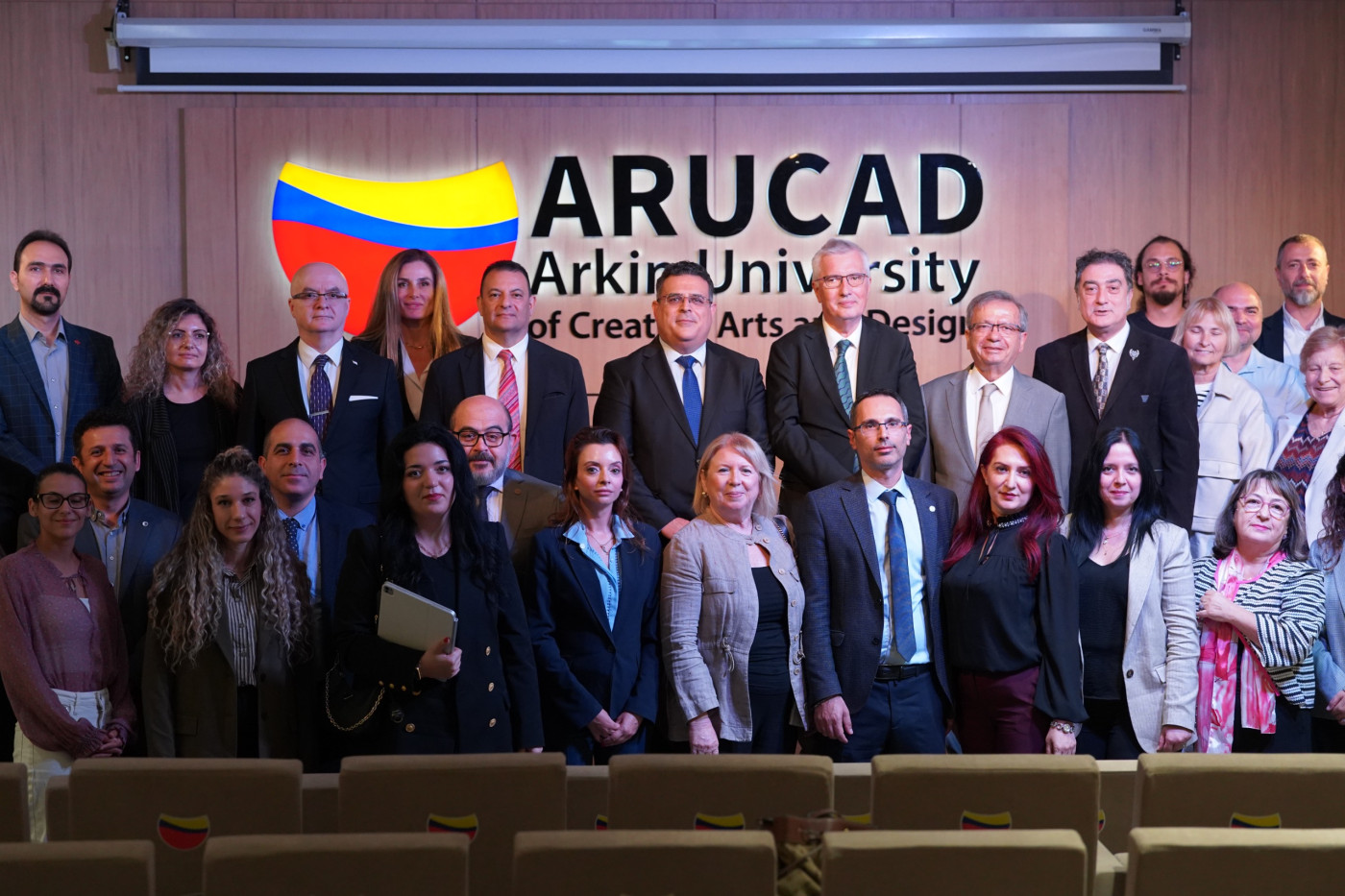
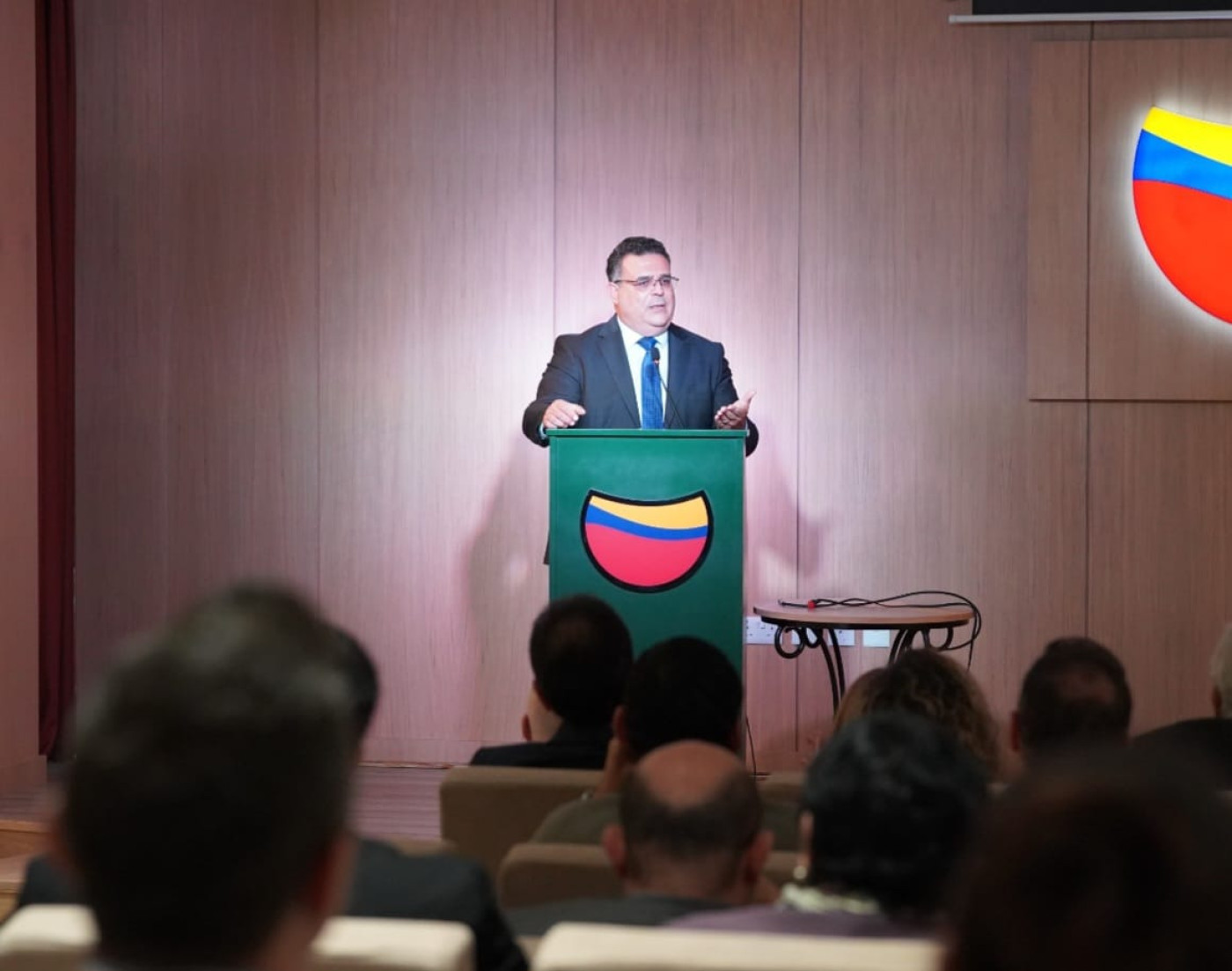
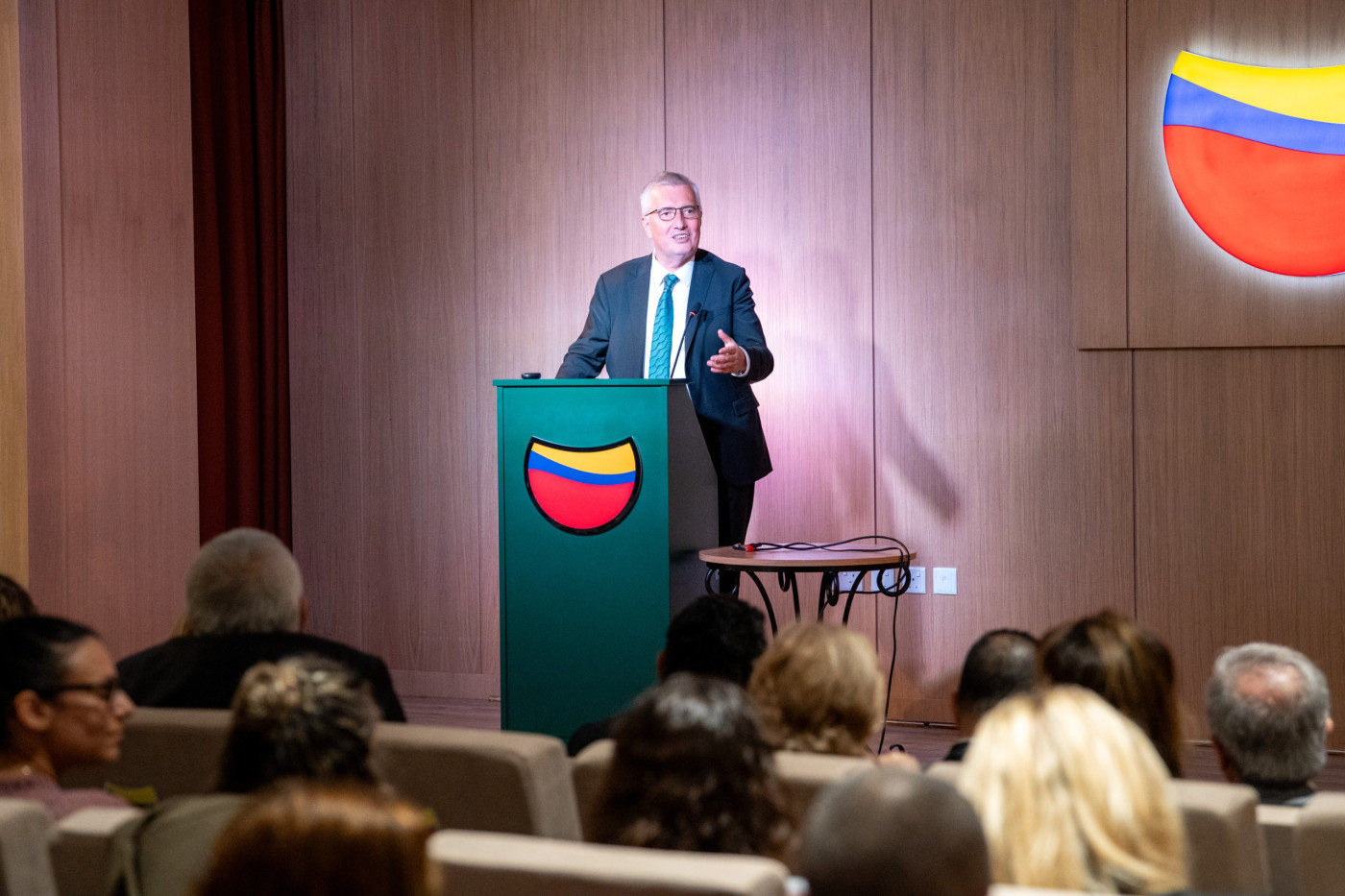
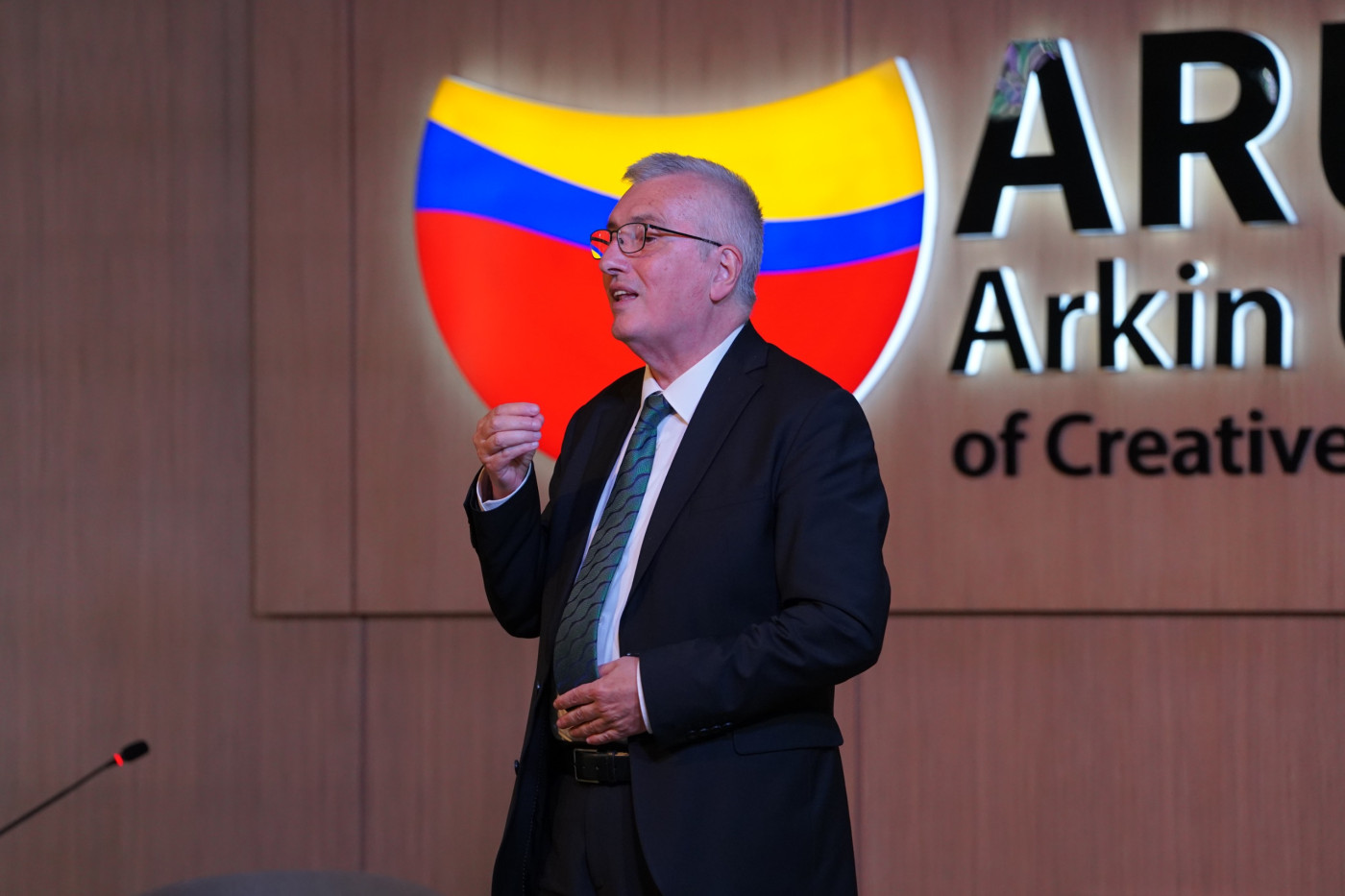
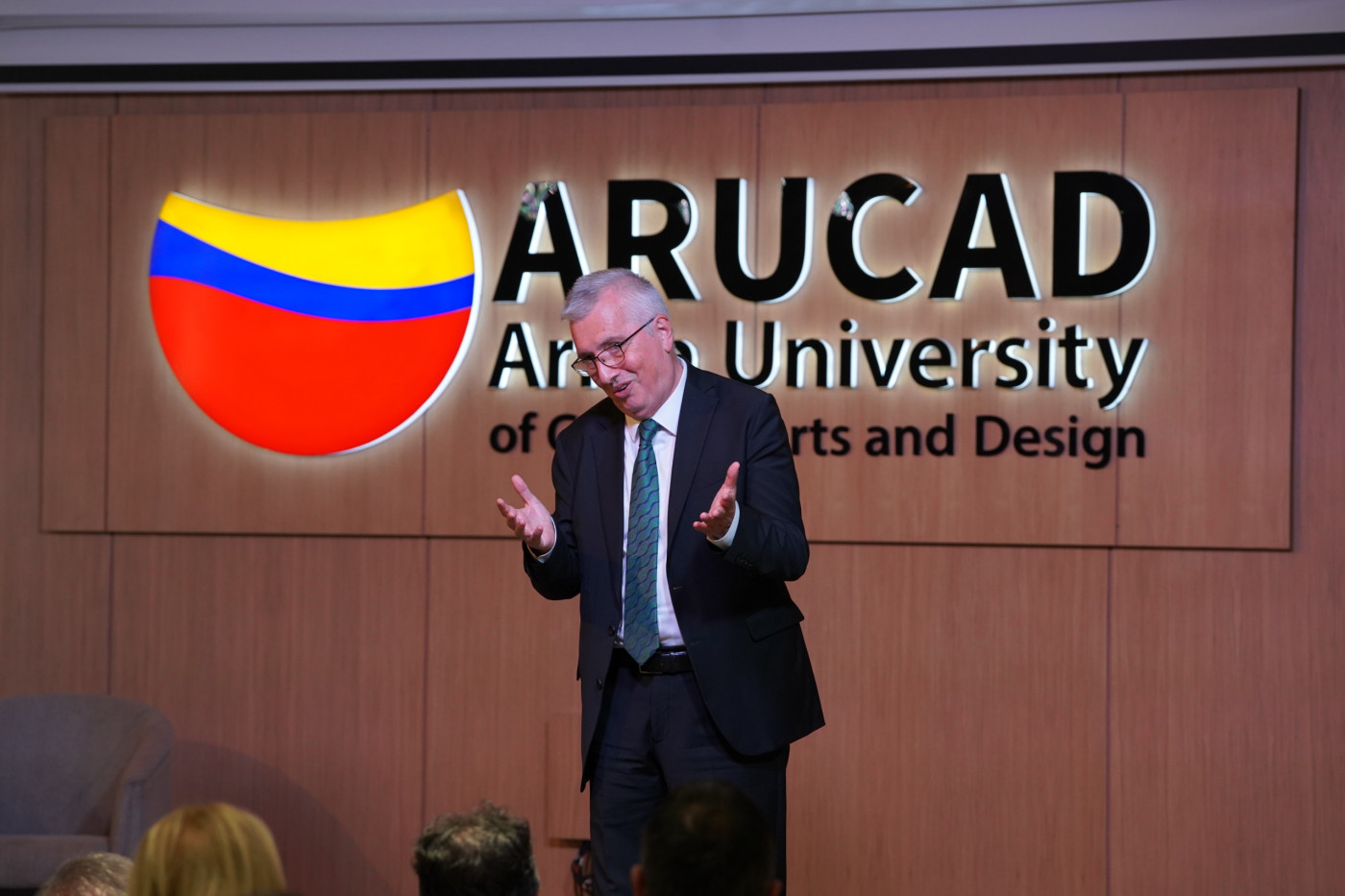
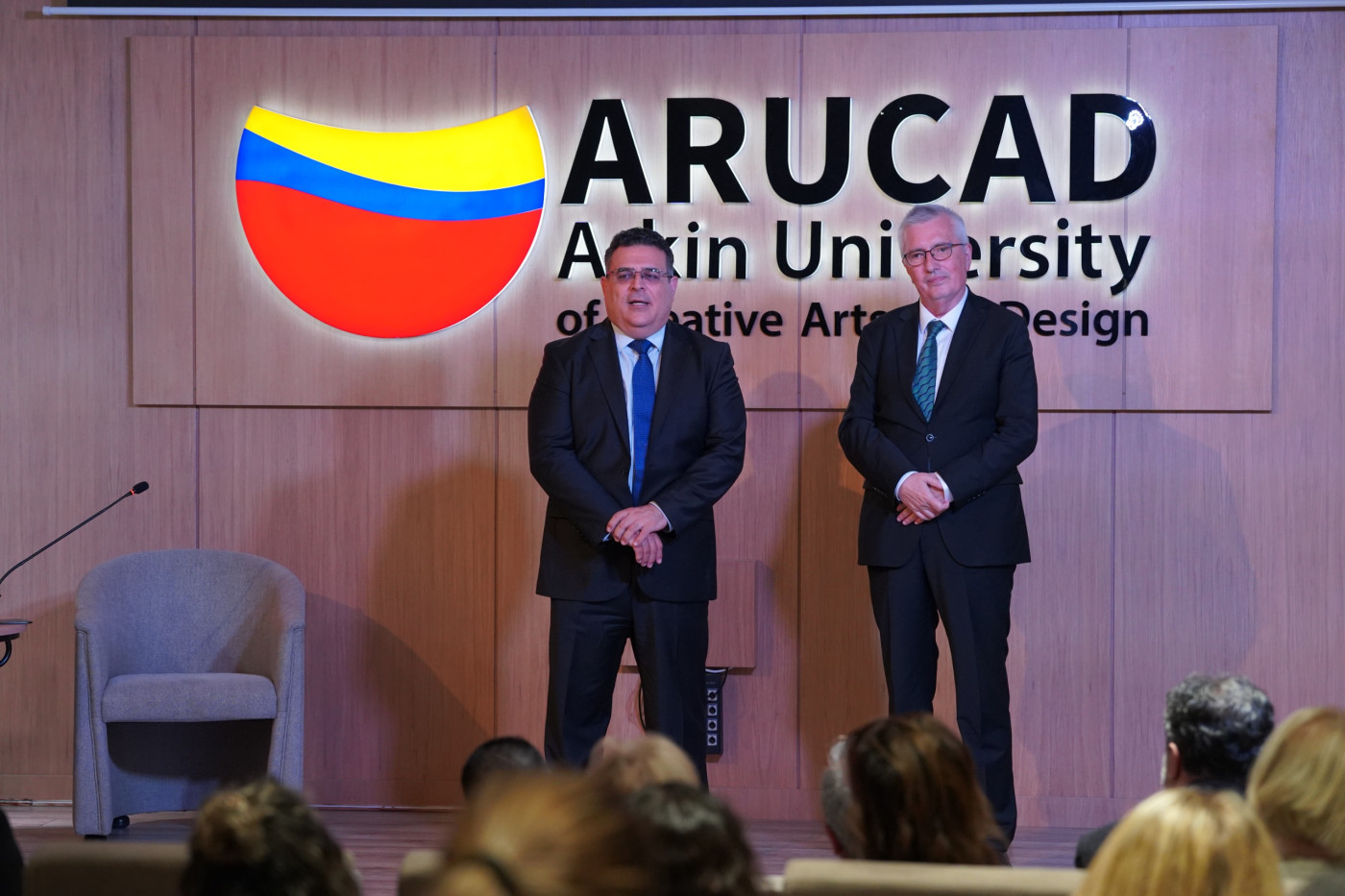
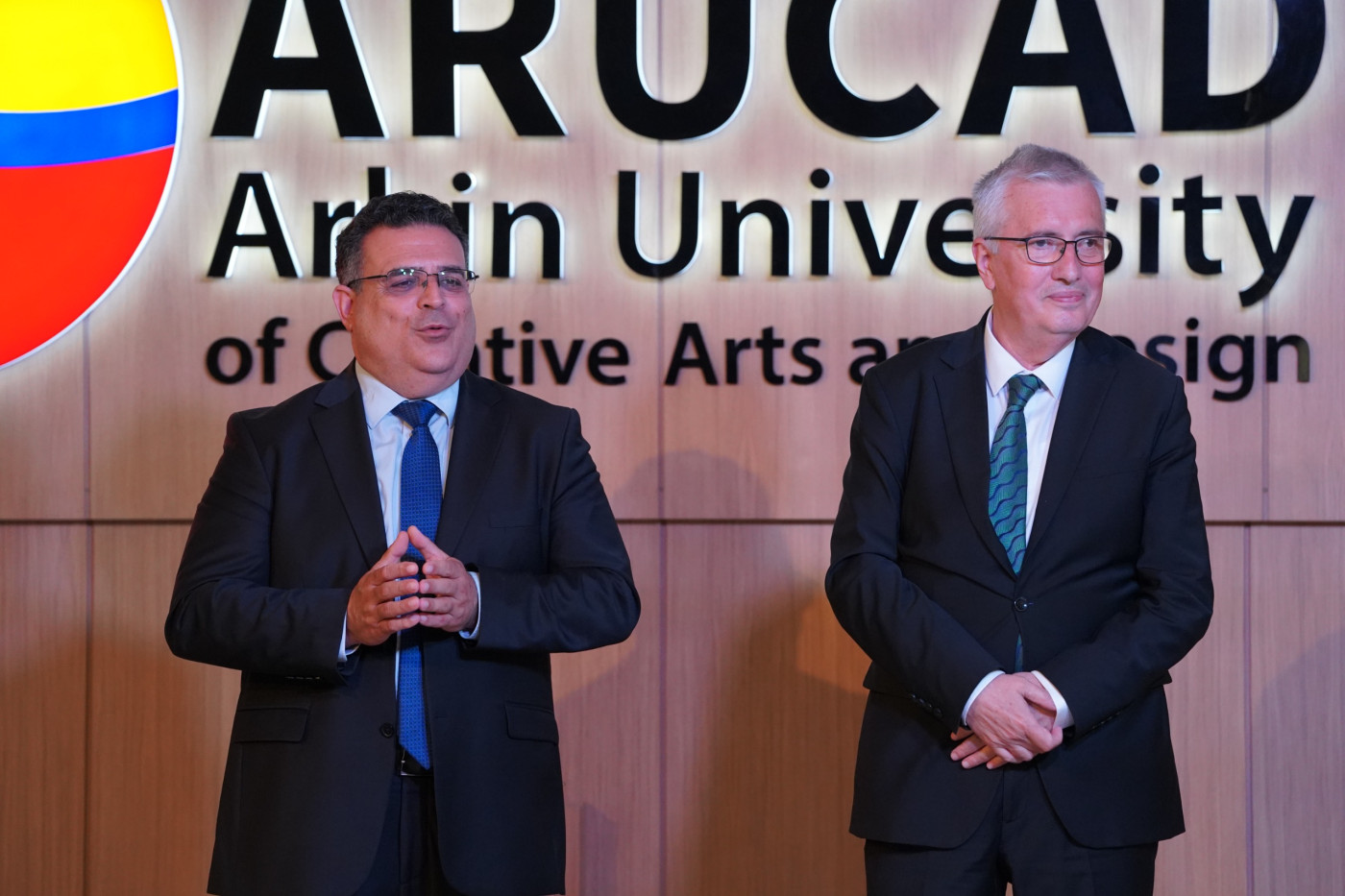
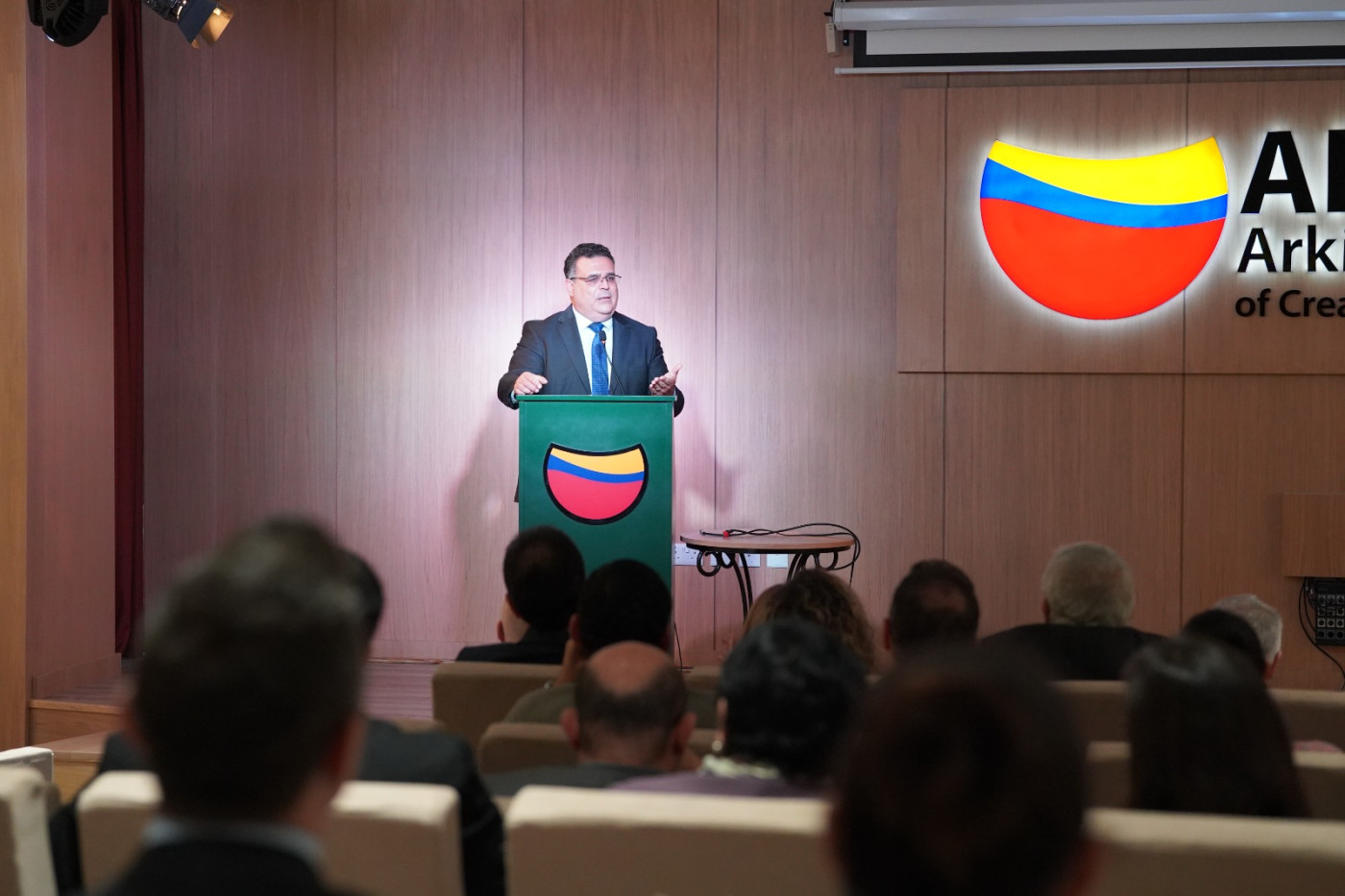
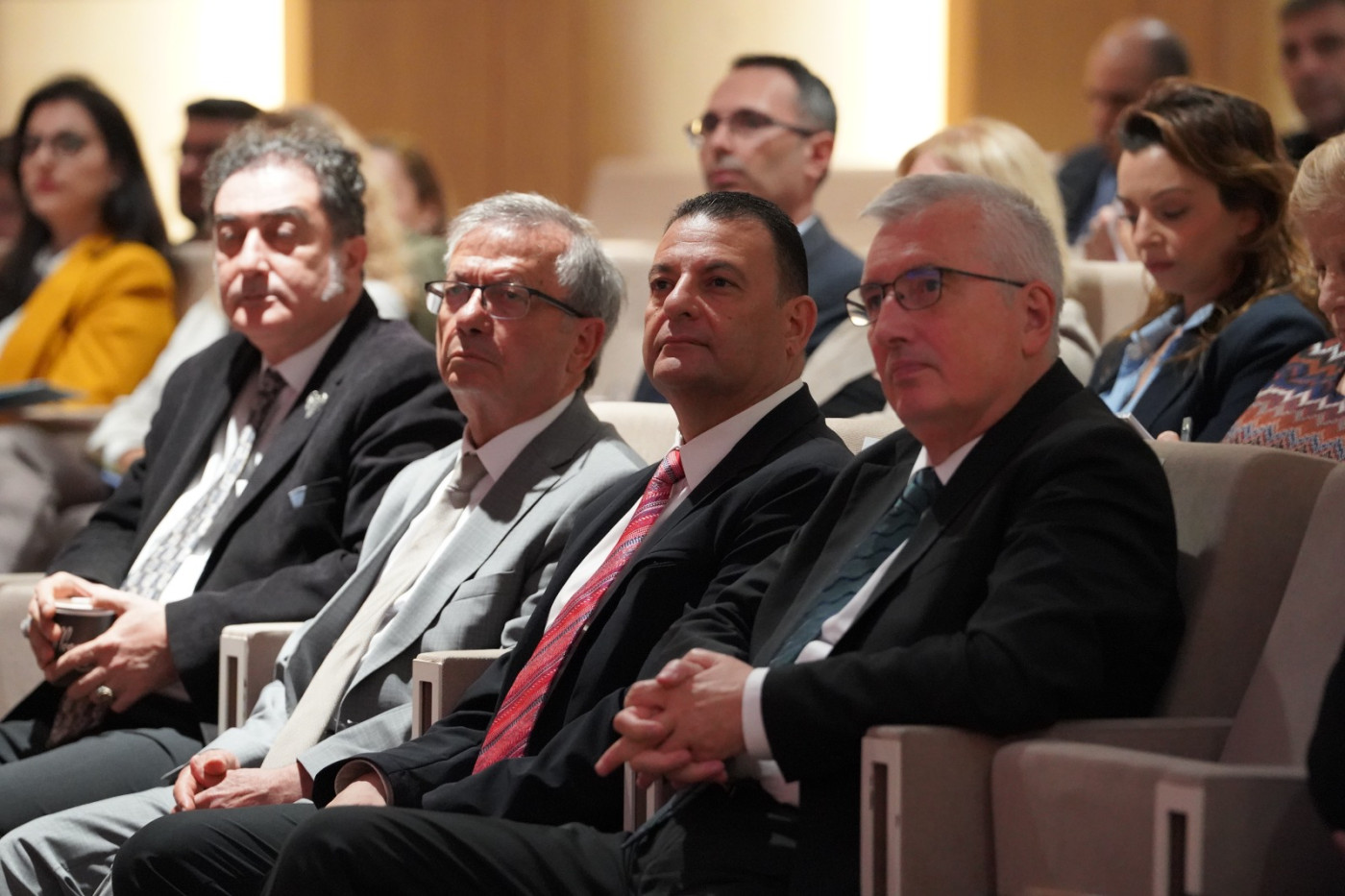
A comprehensive information meeting was held regarding the applications of universities operating in the TRNC to the "International Institutional Accreditation Program" (IIA), in cooperation with the Higher Education Planning, Evaluation, Accreditation, and Coordination Council (YÖDAK) and the Higher Education Quality Council (YÖKAK).
The meeting, held today at 14:00 at the Arkın Creative Arts and Design University (ARUCAD) Conference Hall, drew great interest from the rectors, quality council representatives, and managers of 11 universities operating in the TRNC. The meeting featured opening and informative speeches by YÖDAK President Prof. Dr. Aykut Hocanın and YÖKAK President Prof. Dr. Ümit Kocabıçak.
"A Strategic Move for the Development and Recognition of Our Universities"
Delivering the opening speech of the meeting, YÖDAK President Prof. Dr. Aykut Hocanın drew attention to the cooperation carried out between YÖDAK and YÖKAK within the framework of strict and institutional protocols. Emphasizing that the path of "science, reason, and strategy" must be followed to overcome the challenges currently faced by the TRNC higher education sector in the international arena, such as political non-recognition, Hocanın added the following evaluations to his remarks:
“The claims that the universities of a politically unrecognized state are also unrecognized and that their diplomas are invalid threaten both our international student recruitment, the validity of our diplomas, and the reputation of our universities. At this point, implementing quality assurance processes and obtaining accreditation at international standards is of great importance. I consider it a great success that 11 of our universities have voluntarily applied in the first phase here today.”
Hocanın also stated that national accreditation processes are completed in 2–3 years in Turkey, but with IIA, this period can be reduced to 1 year for successful universities, and it will register the country's higher education quality by offering early registration opportunities to the European Quality Assurance Register (EQAR).
Roadmap and Details of the Process Shared
Taking the floor next, YÖKAK President Prof. Dr. Ümit Kocabıçak shared technical details regarding the functioning of YÖKAK and the processes to be provided to the 11 universities that applied for the IIA. Stating that the applying universities had been examined and that it was determined there were no obstacles to their participation in the international institutional accreditation program, Prof. Dr. Kocabıçak conveyed the following information:
Contract and Process: He stated that the process will officially begin with the signing of the contracts sent to the universities.
Training and Self-Assessment: He stated that at the beginning of the process, comprehensive training will be provided via Zoom on the effective use of the Quality Management Information System (KÜMİS) and the preparation of strategic plans, followed by a 4-month period to prepare the self-assessment report.
Site Visits and Evaluation Teams: He emphasized that following the self-assessment reports, preliminary visits and 4-day site visits will be carried out accompanied by independent evaluators to be appointed by YÖKAK and YÖDAK, and the reports prepared at the end of the process will be finalized transparently with objection mechanisms.
"Our Goal is to Make Quality Culture Permanent"
The presidents of YÖDAK and YÖKAK stated that this strategic step will not only increase the quality of academic programs but will also guarantee the respectability and sustainability that the TRNC higher education system deserves in the international arena. The meeting ended after answering questions directed by university rectors and quality council representatives.
Higher Education Planning, Evaluation, Accreditation, and Coordination Council (YÖDAK)